The Synthetic Control Mirage in Latin America Why Many Medtech RWD Strategies Fall Short

Synthetic control arms (SCAs) and real-world data (RWD) promise faster, more efficient evidence generation.
While this approach is gaining traction in the U.S. and Europe, applying the same strategy in Latin America is often unrealistic.


The Synthetic Control Mirage in Latin America Why Many Medtech RWD Strategies Fall Short

Synthetic control arms (SCAs) and real-world data (RWD) promise faster, more efficient evidence generation. While this approach is gaining traction in the U.S. and Europe, applying the same strategy in Latin America is often unrealistic.

The Core Challenge

SCAs depend on high-quality, longitudinal, and standardized patient data. Across much of Latin America, healthcare data remains:

  • Fragmented across multiple systems
  • Inconsistently digitized
  • Largely unstructured and incomplete
  • Misaligned with evolving regulatory expectations

The result? RWD that is often insufficient to support reliable synthetic comparators.

Why This Matters

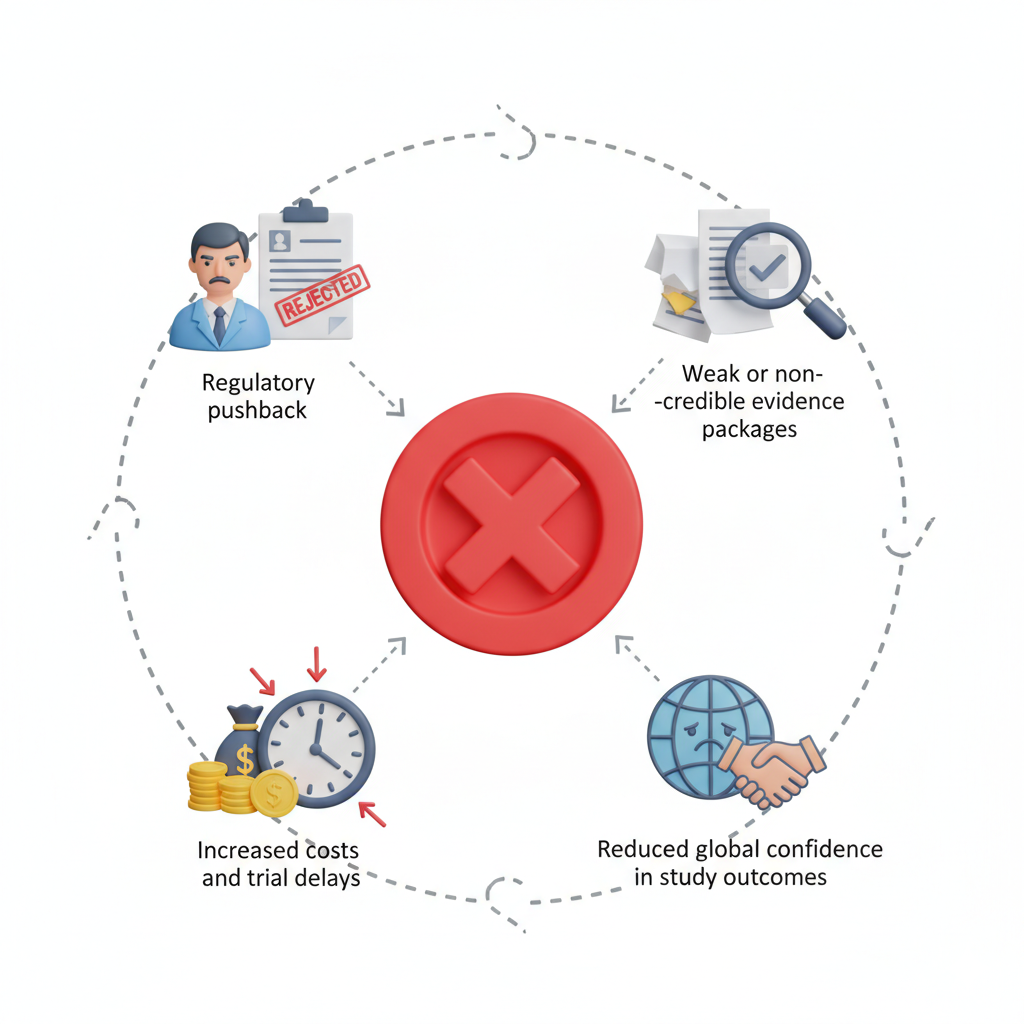
Overestimating local data readiness can lead to:

  • Regulatory pushback
  • Weak or non-credible evidence packages
  • Increased costs and trial delays
  • Reduced global confidence in study outcomes

A Smarter Path Forward

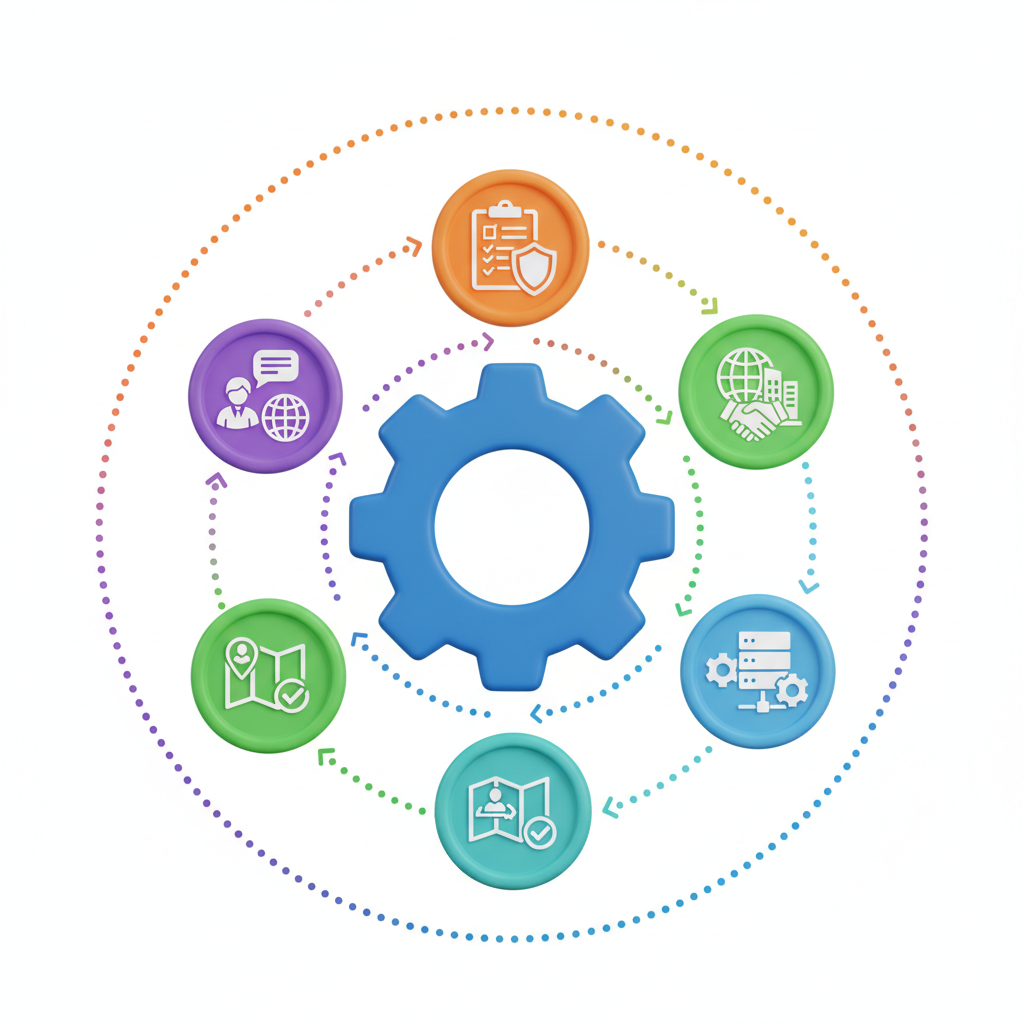
Rather than forcing advanced RWD methods, sponsors should:

  • Assess local data infrastructure before trial design
  • Use RWD selectively, not as a primary comparator
  • Focus on data-mature centers and countries
  • Invest early in data standardization
  • Engage regulators early and transparently

Contact Us