Real-Time Electronic Data Capture Is Transforming Site and Lab Workflows
Historically, clinical trials have relied on paper-based approaches—especially for laboratory data at investigator sites—which introduces significant delays and inefficiencies.
Real-Time Electronic Data Capture Is Transforming Site and Lab Workflows
Historically, clinical trials have relied on paper-based approaches—especially for laboratory data at investigator sites—which introduces significant delays and inefficiencies.
The shift toward RT-EDC is driven by central labs, vendors and sponsors embracing site-portal workflows and electronic requisitions.
Key benefits include:
Dramatic reductions in query generation (estimated 75 % to >98%).
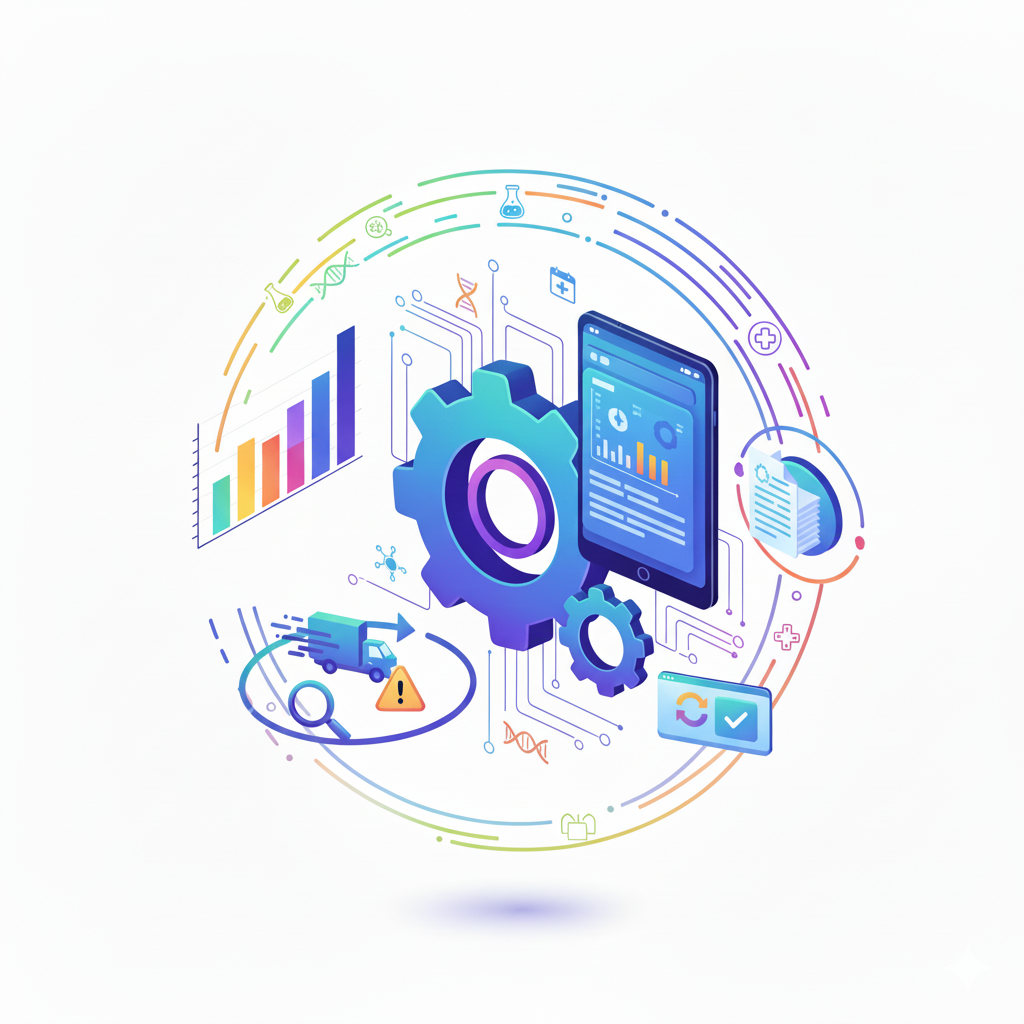
Faster turnaround of sample logistics, shipment tracking and protocol-deviation alerts.
Improved site efficiency: fewer paper forms, less reconciliation across systems, and data in one unified portal.
However, deploying RT-EDC comes with challenges:
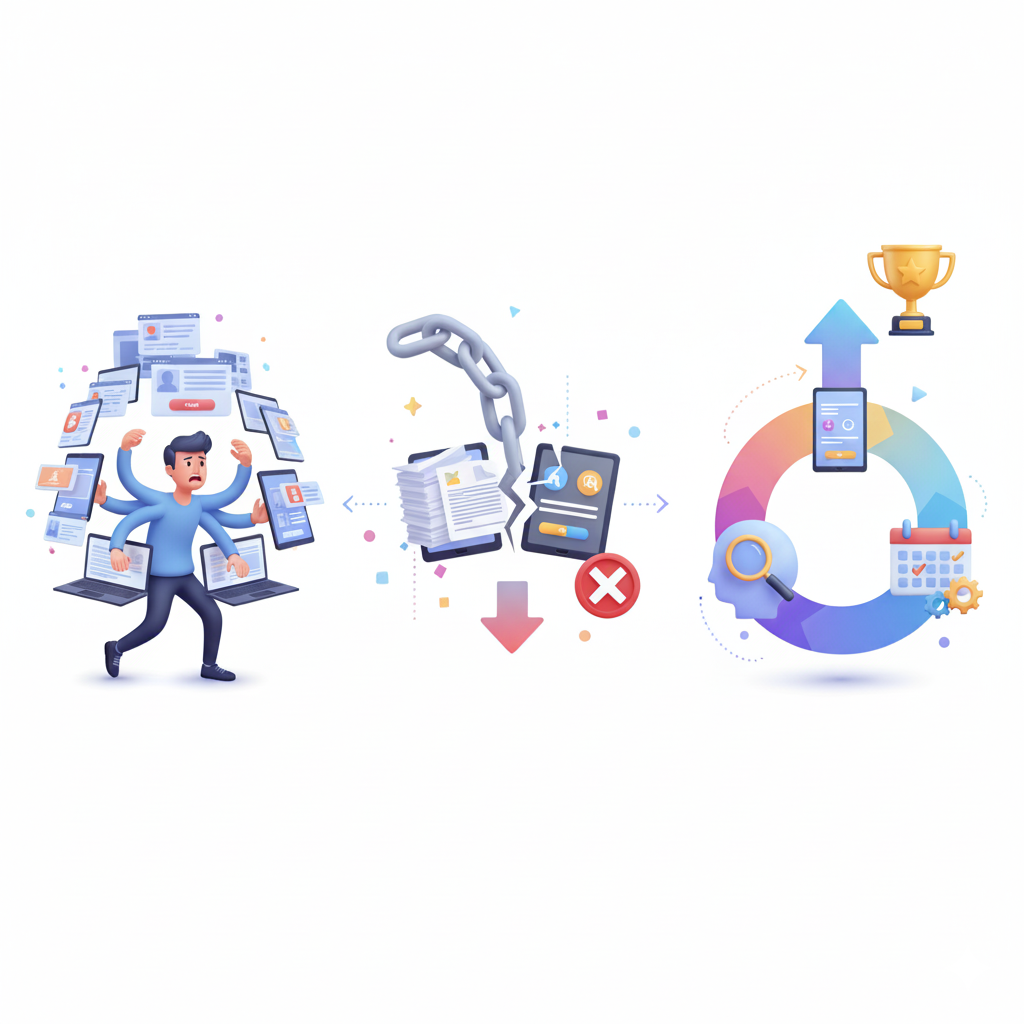
The risk of over-burdening site teams if multiple portals/logins eat into time and attention.
The necessity of full adoption (both sites and sponsors) — mixed electronic + paper workflows diminish benefit.
Change management: training, user-experience design, and upfront planning are critical to success.
Why This Matters for Medinexos & Your Clinical Research Operations
By accelerating lab/requisition workflows and reducing query lifecycle times, RT-EDC can help your sites stay on schedule and reduce data cleaning/reconciliation burdens.
For your team—responsible for site onboarding, SOW coordination and data submission—RT-EDC presents an opportunity to offer sites a smoother, more streamlined experience, potentially improving site satisfaction, data quality and retention.
Because you are recruiting and coordinating clinical research teams, adopting or advising on RT-EDC strategies can become a differentiator for sites partnering with you: you’ll be enabling state-of-the-art data capture, not just “another trial”.
Given that the article identifies change management as a key barrier, your early involvement (in planning/training) will be beneficial: ensuring sites are prepared, comfortable with portals, and so on.